
Review Solutions for SaaS Companies
Help prospects evaluate your software with public feedback that supports product research, vendor comparison, and confidence throughout the sales cycle.
Buy Trustpilot Reviews
Choose a structured Trustpilot review campaign with transparent pricing, gradual delivery, and clear progress tracking.
View Service- Coming soon
Buy Google Reviews
Explore structured Google review campaign options for your business with clear expectations, gradual delivery, and transparent support.
View Service - Coming soon
Buy Google Play Reviews
Explore Google Play app review and rating campaigns with gradual delivery, clear tracking, and support for Android publishers.
View Service - Coming soon
Buy Yelp Reviews
Explore Yelp review campaigns for your business with gradual delivery, clear tracking, and transparent support.
View Service


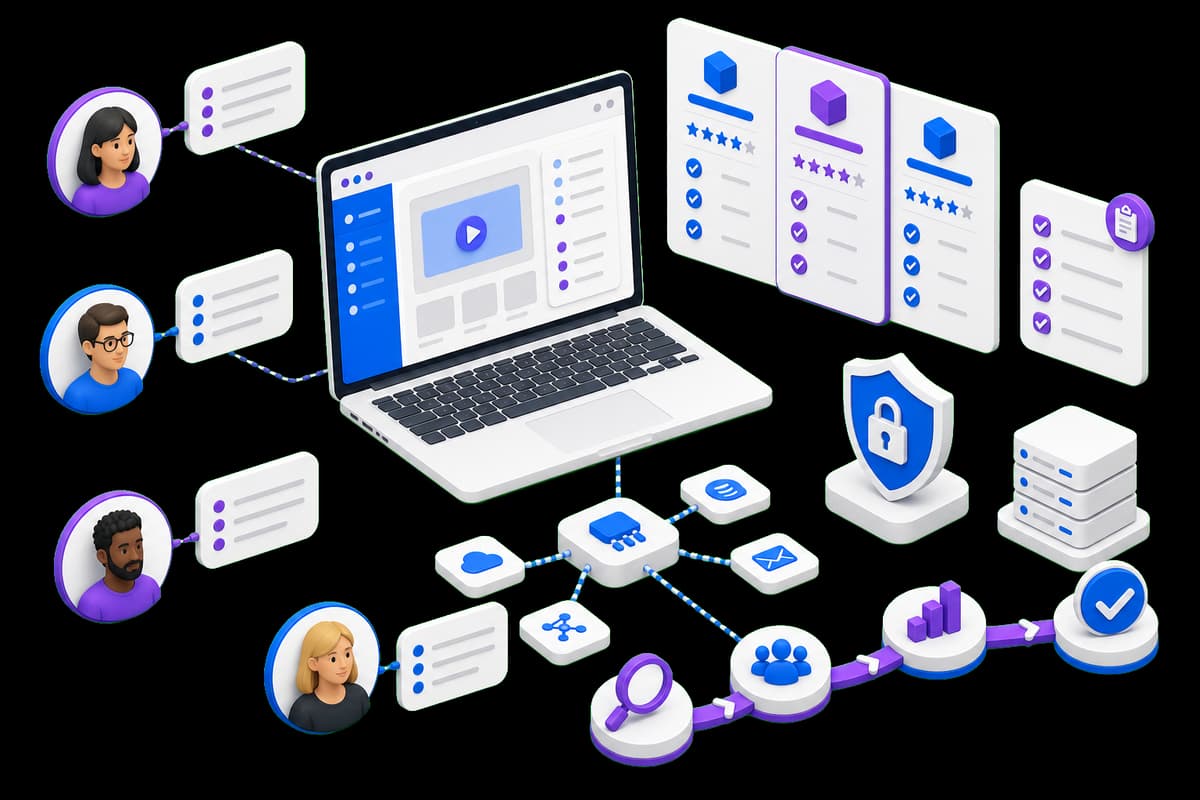
Support Prospects During a Longer Evaluation Process
Software buyers often compare several vendors, involve multiple stakeholders, and look for evidence beyond product claims. Reviews can provide context about onboarding, reliability, support, usability, and the ongoing customer relationship.
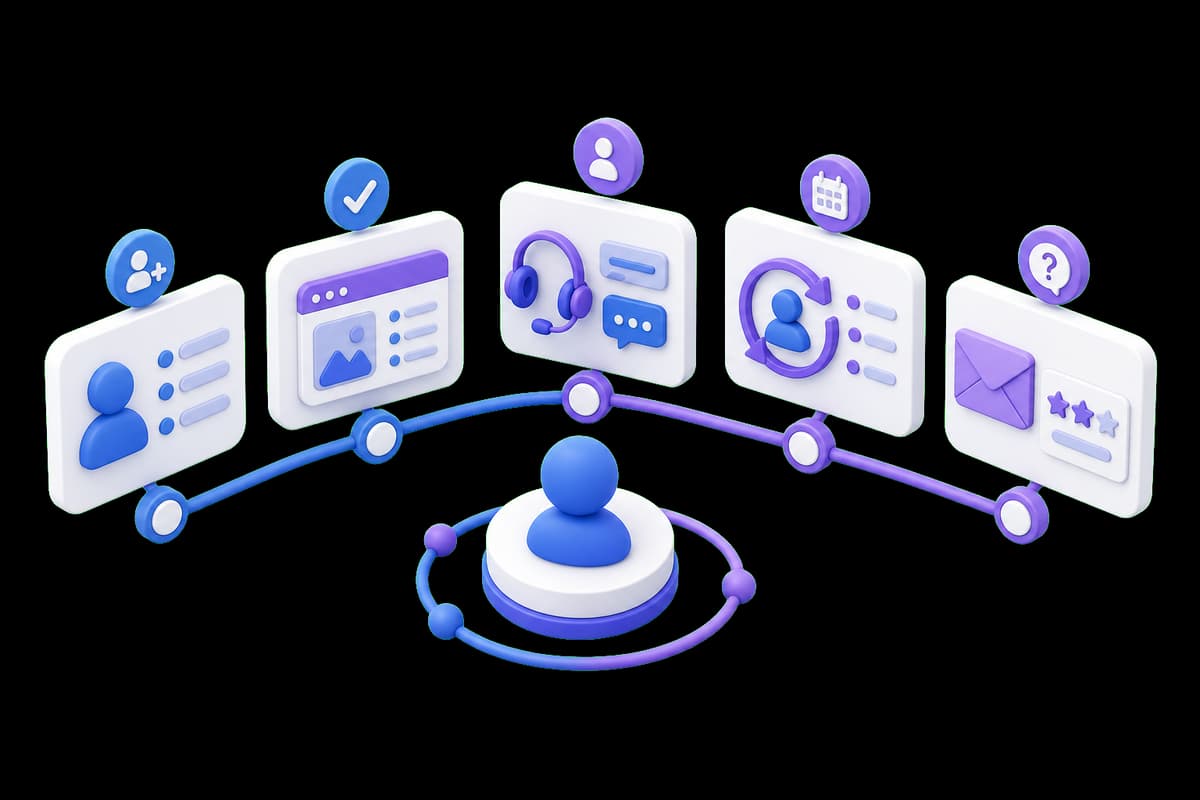
Connect Feedback With the SaaS Customer Lifecycle
Review requests are most useful when they follow meaningful customer milestones rather than arbitrary dates. Suitable moments may include completed onboarding, successful adoption, a resolved support case, or a renewal, provided invitations remain fair and consistent.
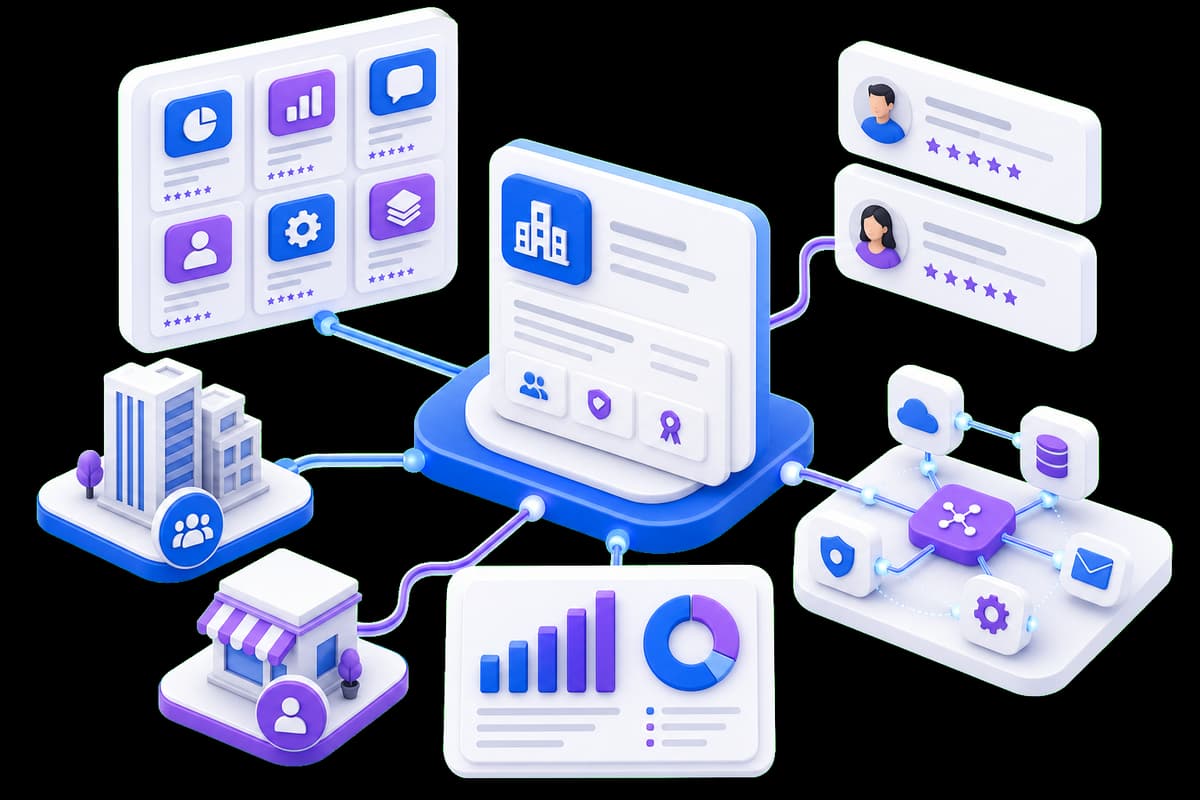
Choose Review Platforms That Match Your Sales Motion
Trustpilot can support company-level reputation research, while specialist software marketplaces may help buyers compare features and categories. The best mix depends on whether your company serves consumers, small businesses, enterprises, or multiple segments.
Why SaaS Companies Need Different Review Platforms for Different Buyer Stages
Most SaaS companies choose between Trustpilot, G2, and Capterra based on cost or familiarity. The more useful question is which platform influences buyers at each stage of the evaluation process—and the answer is different for each.
G2 and Capterra: where product evaluation happens
G2 and Capterra operate as software directories. Buyers who reach these platforms are typically deep in an evaluation: they have already identified the problem they need to solve, they understand the category, and they are comparing specific features, integrations, and pricing across a shortlist of vendors. Reviews on these platforms are structured—they include fields for pros, cons, use case, company size, and feature ratings—which makes them useful for buyers conducting due diligence. They are less useful for building general brand awareness because buyers arrive with a specific intent rather than browsing. Managing G2 and Capterra profiles is primarily a product marketing responsibility: the goal is to surface specific use cases, address common objections, and ensure that the feature comparison data is accurate and up to date.
Trustpilot: where company reputation is established
Trustpilot serves a different stage of the B2B buying journey. A procurement manager or IT director who searches for a SaaS vendor by name—before or during a formal evaluation—will often encounter the Trustpilot profile in organic search results. The questions being answered at this stage are broader: Is this a credible, established company? How do they handle support issues? Do they respond to complaints? Is there a pattern of billing problems or account cancellations? This is a company-reputation question, not a product-feature question. Trustpilot reviews from businesses describing their support experience, account management, and onboarding process provide the kind of company-level social proof that product specs and feature comparison tables cannot. For enterprise-focused SaaS companies, a strong Trustpilot profile is particularly important because enterprise procurement involves multiple stakeholders who may research the vendor independently and at different stages.
When to Request Reviews Across the SaaS Customer Lifecycle
SaaS customers have multiple meaningful milestones across a multi-year relationship. Choosing the right moment for a review invitation dramatically affects both the response rate and the quality of the feedback that results.
The four best moments to request a SaaS review
The highest-converting review invitation moments in SaaS align with points where the customer has recently experienced value. First: after successful onboarding completion, when the customer has gone live and configured the product for their use case—this is when enthusiasm is highest and the team has a complete picture of the setup process. Second: after first measurable value, when the customer can point to a specific outcome the product enabled. Third: after a successfully resolved support interaction, when the customer has experienced how the company handles problems. Fourth: at renewal, for customers who have expanded their usage—these are the customers most likely to describe long-term reliability and relationship quality. Review requests at renewal should be framed around the complete relationship rather than a recent interaction.
What negative review velocity signals about churn risk
SaaS companies that monitor their review profile as a leading indicator rather than a lagging metric gain an operational advantage that goes beyond reputation management. A pattern of negative reviews mentioning specific features, support responsiveness, or billing practices often emerges 60 to 90 days before the churn rate in the corresponding cohort increases. This is because unhappy customers rarely cancel immediately—they first try to resolve the issue, fail, and eventually give up. The review is often written during or after that failed resolution process, before the actual cancellation. Customer success and product teams who track review sentiment by theme and compare it to support ticket patterns can identify these signals early enough to intervene. A decline in review volume from a previously active customer segment is itself a signal worth investigating, because satisfied customers who stop reviewing are often customers who have disengaged from the product.
SaaS Review Management Questions
Answers about platform selection, review requests, customer milestones, and reputation strategy for software companies.
Reviews can help prospects understand real customer experiences with onboarding, usability, reliability, support, and long-term value while they compare software vendors.
The best choice depends on the audience. Trustpilot supports broader company research, while G2 and Capterra focus on software discovery and category comparison. A SaaS business may need more than one profile.
Acknowledge the concern, avoid discussing private account data, clarify any general misunderstanding, and offer an appropriate support or escalation path.
Useful moments can include successful onboarding, demonstrated product adoption, completion of a support interaction, or renewal. Invitations should reflect genuine experiences and be sent consistently rather than only to advocates.
Relevant reviews may answer common concerns and support internal buy-in, but they do not guarantee a shorter sales cycle. Product fit, pricing, security, integrations, and procurement requirements still matter.
Yes, if the process is documented, consistent, and not tied to a required positive rating. Teams should avoid pressuring customers or selectively inviting only those expected to leave favorable feedback.
Learn More About Reviews for SaaS Companies
Guides on Trustpilot, Google, app store reviews, and review strategy for SaaS products and software businesses.


Explore More Digital Reputation Solutions
Discover review strategies for other online and service-based businesses.
E-commerce
Build buyer confidence with a stronger public review presence for your online store.
Explore IndustryDigital Agencies
Turn client feedback into visible proof of service quality, reliability, and expertise.
Explore IndustryFinancial Services
Strengthen customer confidence with transparent reputation management for financial brands.
Explore IndustryTravel & Booking Companies
Help travelers book with confidence by strengthening trust throughout the research journey.
Explore Industry
Strengthen Trust Throughout Your SaaS Sales Journey
Explore Trustpilot campaign options designed to support a more active public company profile.