
Trustpilot and Google Reviews matter at different stages of customer research.
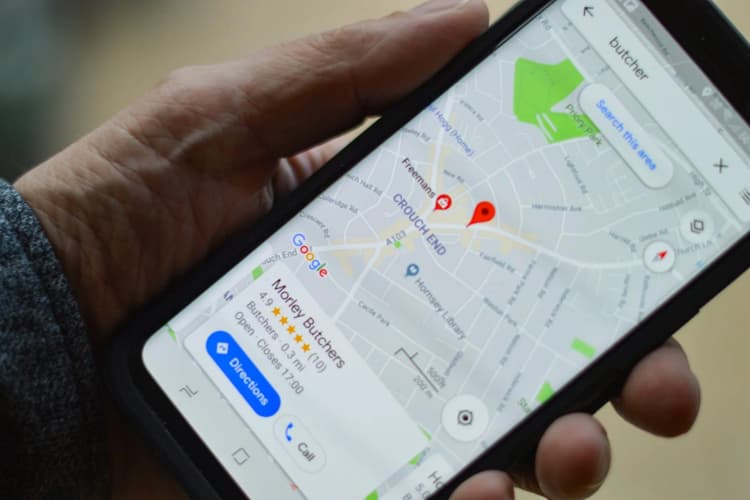
Google Reviews are closely connected to Google Search, Google Maps, local discovery, directions, calls, and Business Profiles. Trustpilot provides a dedicated public company review profile, TrustScore, invitation tools, business responses, and reputation signals that can be especially relevant for ecommerce, online services, and companies operating across multiple markets.
For many businesses, the best answer is not choosing one platform. It is building a coordinated strategy based on where customers discover, compare, and validate the company.
This guide compares Trustpilot and Google Reviews across visibility, audience, local SEO, review collection, moderation, business use cases, and campaign planning.
For structured campaign options, compare Buy Trustpilot Reviews and Buy Google Reviews.
Trustpilot vs Google Reviews: quick comparison
| Factor | Trustpilot | Google Reviews |
|---|---|---|
| Primary context | Company and brand research | Search, Maps, and local discovery |
| Profile type | Trustpilot company profile | Google Business Profile |
| Main score | TrustScore and star rating | Google star rating |
| Invitations | Platform and business invitation workflows | Direct review links and business requests |
| Local intent | Limited compared with Maps | Strong |
| Ecommerce and online brands | Often relevant | Relevant, depending on profile and market |
| Business responses | Yes | Yes |
| Platform labels | Trustpilot-controlled labels | Google-controlled profile and account signals |
| Search visibility | Brand and review research | Search, Maps, local pack, profile surfaces |
| Best use | Company reputation and buyer confidence | Local reputation and high-intent discovery |
Neither platform guarantees sales, search rankings, positive ratings, or permanent review publication.
What is Trustpilot?
Trustpilot is a consumer review platform where people can describe service or buying experiences with companies.
A Trustpilot company profile can show:
- TrustScore
- Star rating
- Review count
- Rating distribution
- Recent reviews
- Business responses
- Review labels
- Company information
Businesses can use Trustpilot-related tools and services for invitations, integrations, monitoring, reporting, responses, and review campaign management.
Trustpilot requires reviews to reflect genuine experiences and prohibits fake or incentivized feedback.
What are Google Reviews?
Google Reviews are connected to Google Business Profiles and can appear across Google Search and Google Maps.
A Business Profile can show:
- Star rating
- Review count
- Customer comments
- Photographs
- Business responses
- Address or service area
- Opening hours
- Phone number
- Website
- Directions
Google Reviews are especially prominent when customers search for nearby businesses, services, locations, restaurants, shops, and professional providers.
Google prohibits fake engagement, paid reviews, rating manipulation, and prohibited incentives.
Which platform has greater visibility?
The answer depends on customer behaviour.
Google visibility
Google Reviews can appear when someone:
- Searches for the business name
- Searches for a local service
- Opens Google Maps
- Compares nearby companies
- Requests directions
- Looks for opening hours
- Calls from a Business Profile
This creates strong visibility during discovery and local purchase intent.
Trustpilot visibility
Trustpilot can appear when someone:
- Searches for company reviews
- Researches whether a website is legitimate
- Compares online brands
- Evaluates a subscription or service
- Visits a Trustpilot company profile
- Sees Trustpilot content used by the business
Trustpilot may be more prominent when the customer already knows the company and wants independent reputation evidence.
Which matters more for local businesses?
Google Reviews usually have greater direct relevance for local businesses because they are integrated with Search and Maps.
Examples include:
- Restaurants
- Shops
- Clinics
- Hotels
- Contractors
- Repair services
- Salons
- Local professional services
Customers can review the rating and comments while deciding whether to call, visit, book, or request directions.
Trustpilot can still add value when the local business:
- Sells online
- Serves customers nationally
- Has multiple locations
- Operates a recognizable brand
- Receives significant branded search
Which matters more for ecommerce?
Trustpilot can be highly relevant for ecommerce because customers often research:
- Product quality
- Shipping
- Returns
- Refunds
- Customer support
- Website legitimacy
- Communication
Google Reviews may also matter when the ecommerce company has:
- Physical locations
- Showrooms
- Local pickup
- A verified Business Profile
- Strong branded search
An ecommerce business should check which platform appears most often during its actual customer journey.
Which matters more for service companies?
Service businesses should consider how customers discover them.
Google Reviews may matter more when customers search locally for:
- Home services
- Professional practices
- Repair
- Healthcare
- Hospitality
- Appointments
Trustpilot may matter more when customers evaluate:
- Online agencies
- Software
- Financial services
- Subscription companies
- Education
- Travel platforms
- National service brands
Many service companies benefit from both.
TrustScore vs Google star rating
Trustpilot displays a TrustScore calculated through its platform-controlled methodology.
Google displays a star rating associated with the Business Profile.
When comparing scores, do not look only at the number.
Also examine:
- Review count
- Rating distribution
- Recency
- Comment detail
- Business responses
- Profile warnings
- Changes over time
A high score based on a small number of reviews provides different evidence from a similar score based on thousands of recent experiences.
Which platform is more trustworthy?
Neither platform should be treated as infallible.
Both face challenges involving:
- Fake reviews
- Conflicts of interest
- Coordinated activity
- Competitor attacks
- Incentives
- Disputed experiences
- Moderation errors
Trust should be based on:
- Platform transparency
- Review patterns
- Specific content
- Labels and warnings
- Reviewer history
- Company responses
- Other independent sources
The reliability of an individual review depends on the underlying experience, not only the platform.
Verified Trustpilot reviews vs Google review signals
Trustpilot controls its own review labels and verification processes.
Google controls account, profile, publication, filtering, and moderation signals.
An external provider can offer a campaign built around a five-star goal or a verified-review workflow. What it cannot control or guarantee is:
- A Trustpilot-controlled verified label
- Google Local Guide status
- Permanent publication
- Immunity from moderation
- A platform-calculated score
- A guaranteed search position
Businesses should ask providers to explain exactly what any verified option includes and which outcomes remain platform-controlled.
How review invitations differ
Trustpilot invitations
Businesses can use invitation workflows connected to genuine service or buying experiences.
Trustpilot invitations should remain fair, neutral, and unbiased.
Google review requests
Businesses can ask genuine customers to review their Google Business Profile through a direct link or QR code.
Requests should not require a positive rating or include prohibited incentives.
Shared principle
On both platforms:
- The customer should have a genuine experience.
- The customer should control the rating.
- The comment should reflect the reviewer’s own opinion.
- Businesses should not offer sentiment-conditioned rewards.
Which platform is better for customer feedback?
Both can provide valuable feedback, but the themes may differ.
Trustpilot reviews often discuss:
- Company service
- Ecommerce fulfilment
- Support
- Returns
- Subscriptions
- Brand trust
Google reviews often discuss:
- Location
- Staff
- Opening hours
- Local service
- In-person visits
- Directions
- Physical environment
The platforms can complement each other by revealing different parts of the customer experience.
Which platform is better for reputation management?
Trustpilot may be useful when the business wants:
- A dedicated company review profile
- Structured invitations
- TrustScore monitoring
- Brand reputation analysis
- Cross-market feedback
Google may be useful when the business wants:
- Local review monitoring
- Search and Maps visibility
- Location-specific feedback
- Profile actions
- Multi-location reputation management
The best platform is the one connected to real customer decisions and internal business workflows.
Trustpilot and Google Reviews for multi-location businesses
Multi-location companies should avoid treating every profile as one campaign.
For Google:
- Each Business Profile represents a location or eligible entity.
- Reviews should relate to the correct location.
- Activity can vary significantly by branch.
For Trustpilot:
- The company may need to manage brand, domain, market, or profile structure.
- Invitation and reporting needs may differ by country or business unit.
Assign ownership for each platform and create consistent reporting.
Does either platform improve SEO?
Neither platform should be treated as a guaranteed ranking product.
Google Reviews and local SEO
Google reviews are part of the wider local search ecosystem. Profile relevance, distance, prominence, website quality, categories, citations, links, and many other factors also matter.
Trustpilot and search visibility
Trustpilot profiles and review content can appear during branded search and reputation research. Businesses may also use permitted Trustpilot features on their websites.
Search impact varies and should be measured rather than assumed.
Can businesses buy Trustpilot and Google reviews?
Businesses can purchase campaign planning, review packages, invitation software, monitoring, reporting, and reputation-management support.
For Trustpilot, selecting a five-star campaign or verified-review option is a campaign choice, not a guarantee that Trustpilot will publish a review, apply a particular label, or keep it visible. Providers should be evaluated by process, delivery pace, tracking, and support rather than promises to override platform moderation.
The same principles apply:
- Genuine customer experience
- Original comments
- No prohibited incentives
- No purchased accounts
- No competitor attacks
- No permanent-placement promises
Businesses comparing structured campaign options can review OrderBoosts Trustpilot review pricing, with packages of 10, 50, or 100 reviews, gradual delivery, dashboard tracking, and support, alongside the available Google review packages.
Should one campaign cover both platforms?
A coordinated strategy can cover both, but customers should not be pressured to duplicate the same review everywhere.
Define:
- Which customers receive invitations
- Which platform fits each customer journey
- How often requests are sent
- How consent and data are handled
- Who monitors responses
- How duplicate content is avoided
Copying identical comments across Trustpilot and Google can reduce usefulness and appear unnatural.
Advantages of Trustpilot
- Dedicated company reputation profile
- TrustScore
- Structured invitation capabilities
- Brand and ecommerce relevance
- Public business responses
- Review analytics and monitoring
- Multi-market potential
Limitations of Trustpilot
- Less direct connection to local Maps discovery
- TrustScore remains platform-controlled
- Paid features require implementation
- Customers may use the platform differently by country
- Reviews can be investigated or removed
Advantages of Google Reviews
- Visibility in Search and Maps
- Strong local purchase intent
- Connection to Business Profile information
- Calls, directions, and website actions
- Location-specific feedback
- Familiarity among broad audiences
Limitations of Google Reviews
- Business eligibility and profile rules
- Moderation remains Google-controlled
- Local Guide status cannot be guaranteed
- Reviews can be filtered or removed
- Rating does not guarantee local ranking
How to choose between Trustpilot and Google
1. Map customer discovery
Identify whether customers start in Google Search, Maps, marketplaces, referrals, advertising, or branded research.
2. Review current visibility
Search for:
- Company name
- Company name plus reviews
- Main local services
- Competitors
- Product category
Note which review profiles customers see.
3. Compare customer volume
Determine how many genuine experiences can support regular invitations.
4. Assess internal resources
Identify who will:
- Send invitations
- Monitor reviews
- Respond
- Escalate complaints
- Report performance
5. Measure outcomes
Track:
- Invitation response
- New reviews
- Review recency
- Response time
- Profile actions
- Conversion
- Complaint themes
When to prioritize Trustpilot
Prioritize Trustpilot when:
- Customers search for company reviews
- The business operates primarily online
- Ecommerce reputation affects conversion
- The company serves multiple markets
- TrustScore is visible in the customer journey
- Structured invitation workflows are important
When to prioritize Google Reviews
Prioritize Google when:
- Local discovery matters
- Customers use Maps
- Calls, visits, bookings, and directions drive revenue
- The business has one or more physical locations
- Google Business Profiles are central to customer acquisition
When to use both
Use both when:
- The business has local and online customer journeys
- Customers research the brand after discovering it on Google
- Different markets prefer different platforms
- Teams can manage both profiles responsibly
- There is enough genuine customer volume
Do not spread resources across multiple platforms if neither will be maintained.
Frequently asked questions
Is Trustpilot better than Google Reviews?
Trustpilot can be better for company and ecommerce reputation research. Google can be better for local discovery and Maps. The right choice depends on customer behaviour.
Which review platform is more reliable?
Both platforms contain genuine feedback and face manipulation attempts. Evaluate review patterns, labels, responses, warnings, and additional sources.
Do Google Reviews matter more for SEO?
Google Reviews are more directly connected to Google Business Profiles and local discovery, but no review quantity guarantees rankings.
Is Trustpilot worth it if a business already has Google Reviews?
It can be when customers research the wider company, shop online, or operate across markets. Measure whether Trustpilot appears in the actual buying journey.
Can I ask customers to review both platforms?
Businesses can invite genuine customers fairly, but repeated requests can create fatigue. Avoid requiring duplicate comments or a particular rating.
Can one provider manage Trustpilot and Google campaigns?
Yes, a reputation provider can support multiple platforms if it explains each process, protects customer data, follows platform rules, and avoids fabricated feedback.
Which platform should a new business start with?
Start where customers are most likely to discover and evaluate the business. A local company may prioritize Google, while an online brand may prioritize Trustpilot.
Final verdict
Google Reviews usually matter more for local search, Maps, calls, visits, and location-based decisions.
Trustpilot can matter more for ecommerce, online services, branded research, company reputation, and multi-market customer confidence.
Many businesses benefit from both when they:
- Invite genuine customers fairly.
- Keep ratings independent.
- Avoid duplicate or scripted comments.
- Monitor and respond on each platform.
- Use feedback to improve operations.
- Measure the platforms separately.
To build the Trustpilot side of the strategy, visit Buy Trustpilot Reviews and choose the campaign size and five-star or verified-review option that fits your profile plan. OrderBoosts provides gradual delivery, dashboard tracking, and support; Trustpilot retains control over moderation, publication, visibility, and labels. For local and Maps campaigns, review Buy Google Reviews.
For how the Trustpilot vs. Google decision applies to specific industries, see guidance for SaaS companies, e-commerce businesses, digital agencies, and financial services.