
Review Solutions for Restaurants
Help diners choose your restaurant with accurate profiles, recent customer feedback, thoughtful responses, and a stronger presence throughout local discovery.
Buy Trustpilot Reviews
Choose a structured Trustpilot review campaign with transparent pricing, gradual delivery, and clear progress tracking.
View Service- Coming soon
Buy Google Reviews
Explore structured Google review campaign options for your business with clear expectations, gradual delivery, and transparent support.
View Service - Coming soon
Buy Google Play Reviews
Explore Google Play app review and rating campaigns with gradual delivery, clear tracking, and support for Android publishers.
View Service - Coming soon
Buy Yelp Reviews
Explore Yelp review campaigns for your business with gradual delivery, clear tracking, and transparent support.
View Service


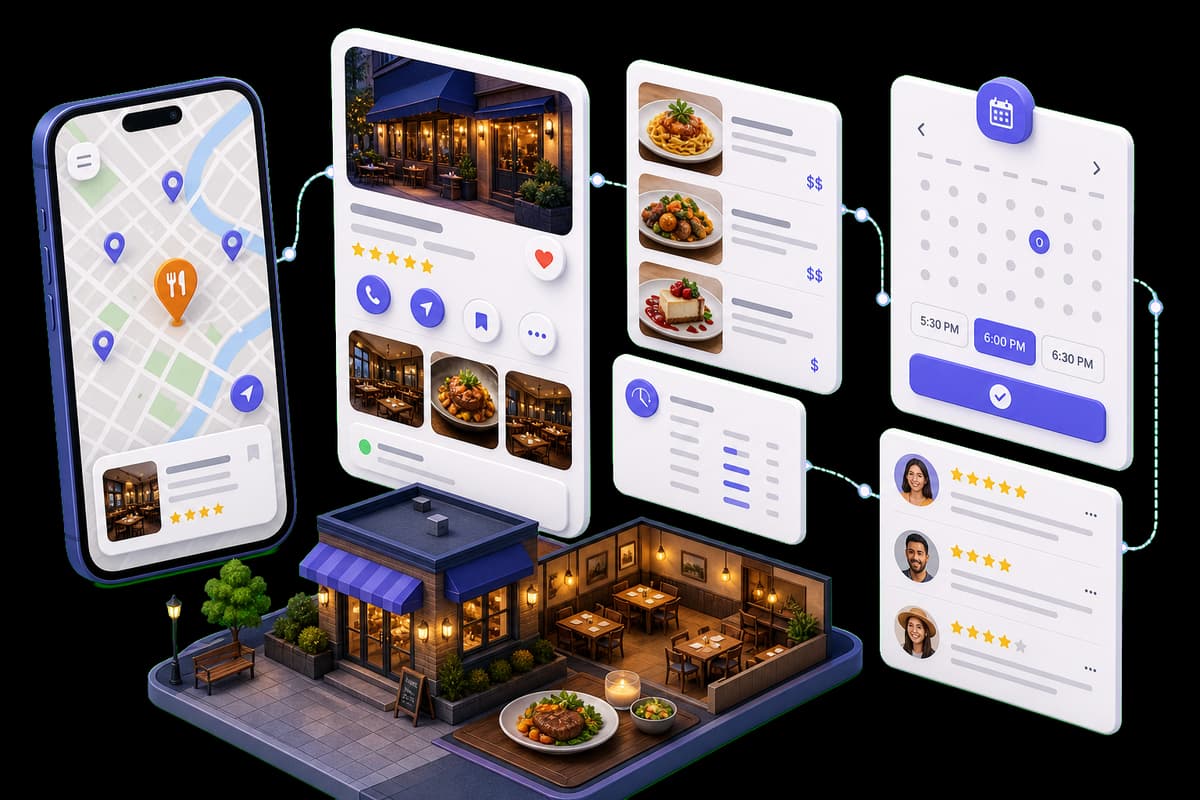
Build Trust From Search Result to Reservation
Diners often compare ratings, recent comments, menus, photos, hours, and owner responses before booking or visiting. A maintained review presence helps customers understand the dining experience and reduces uncertainty around their choice.
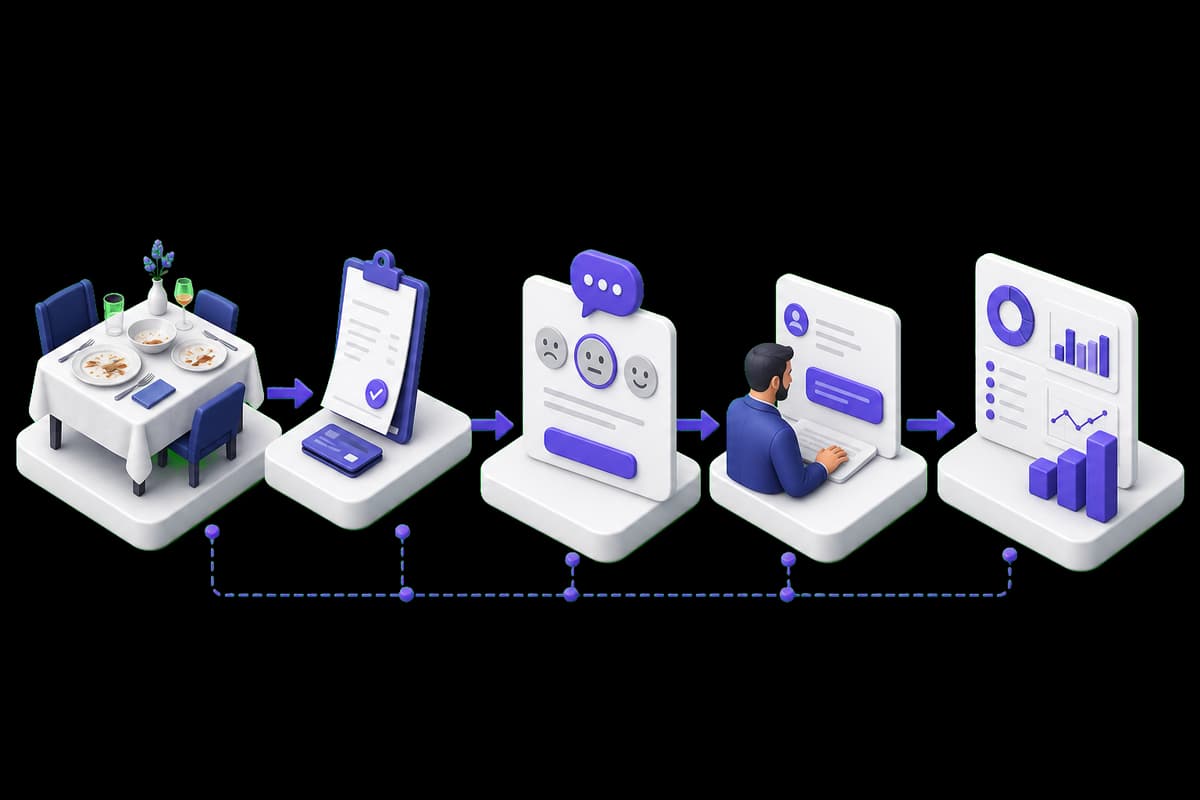
Create a Consistent Post-Visit Review Process
Restaurants can invite feedback after genuine visits through receipts, reservation follow-ups, or other standard touchpoints. Requests should be neutral, available to eligible guests, and never conditioned on a positive rating or reward.
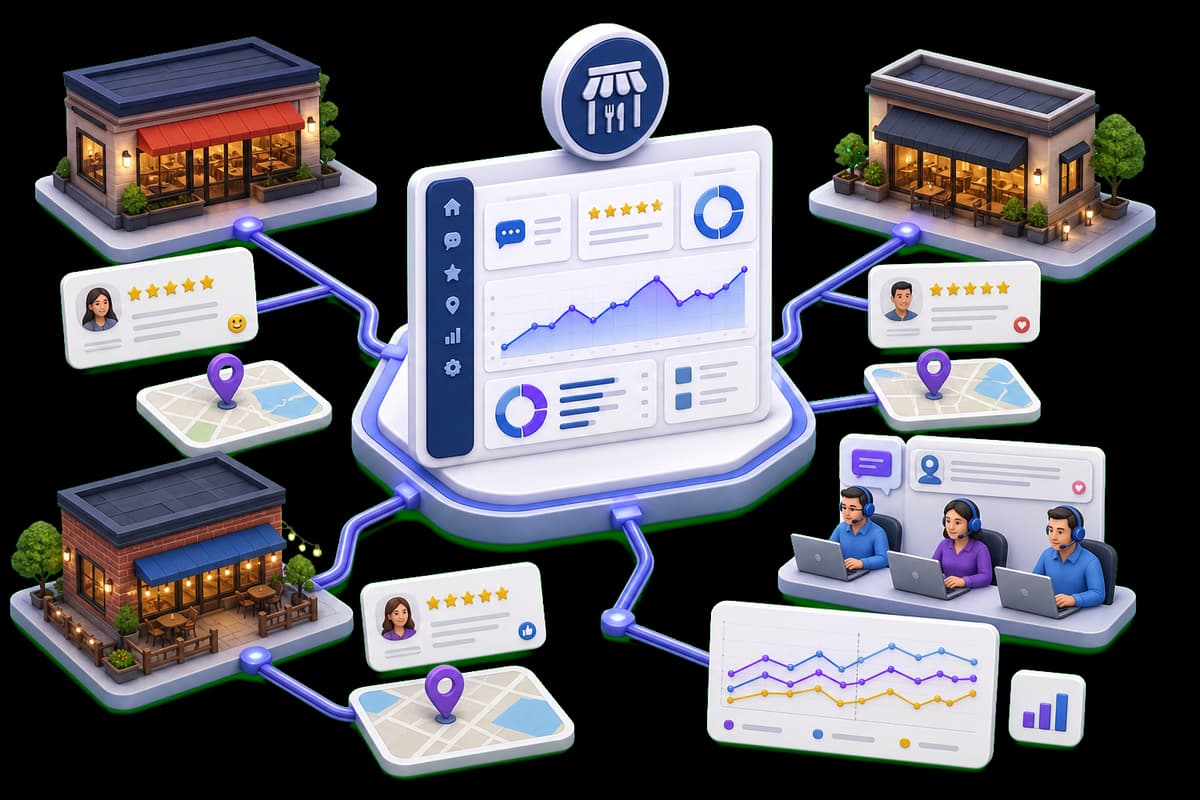
Keep Reviews Useful Across Every Location
Restaurant groups need clear ownership of profile data, responses, escalation, and reporting. Each location should reflect its own customer experience while brand teams monitor common themes across the wider business.
Why Recency and Photo Reviews Matter More for Restaurants Than Any Other Industry
Restaurant review dynamics differ fundamentally from most local businesses. The age of reviews and the presence of food photos influence conversion decisions in ways that are specific to dining and do not apply to the same degree in other categories.
How quickly restaurant reviews decay in relevance
A restaurant with a 4.6 cumulative average but whose last 20 reviews average 3.8 is effectively rated 3.8 in the eyes of most prospective diners. Customers evaluating a restaurant commonly filter by recency—checking only reviews from the past 30 to 90 days—because menus change, chefs move, and service quality shifts. This recency sensitivity is higher for restaurants than for almost any other local category. A restaurant that earned most of its reviews 18 months ago and has slowed significantly is at real risk of losing bookings even with a high overall average. Consistent new reviews are not just useful—they are the primary signal diners use to judge whether the experience is still what it once was.
The conversion impact of customer photo reviews
Google listings with photos consistently receive significantly more clicks and direction requests than those without them. For restaurants, photo reviews—where customers upload images of dishes, plating, the dining room, or cocktails—carry particular weight because food is a visual decision. A potential customer who can see a photo of the specific dish they are considering is substantially more likely to book than one reading a text description alone. Restaurants cannot directly control what photos customers upload, but they can influence photo review volume through presentation, encouraging customers to share their experience, and responding positively to reviews that include images. A Google Business Profile with recent, high-quality photo reviews outperforms competitors with higher ratings but no visual content.
How Restaurants Should Handle Negative Reviews Without Amplifying Them
Restaurant complaints are public, often emotional, and read by far more people than the original reviewer's network. How a business responds to criticism is itself a signal that prospective diners use to judge whether the restaurant is worth the risk.
What prospective diners read in your responses
Prospective customers read business responses not to judge who was right in a dispute, but to assess how the restaurant treats customers when something goes wrong. A response that argues with the reviewer, dismisses the complaint, or explains why the customer was wrong signals that dissatisfied guests will be handled the same way. A response that acknowledges the experience without excessive detail, thanks the reviewer for the feedback, and offers a direct route to resolution demonstrates something entirely different: that the restaurant listens and that future guests will be treated better if a problem arises. The goal of a critical review response is not to win the exchange—it is to show the next hundred readers that the business takes feedback seriously.
Responses to avoid and the delivery review complication
Responses that should never appear publicly include factual disputes about what happened at a specific table, identifying details about the staff member involved, accusations that the reviewer fabricated their experience, or requests for the reviewer to change their rating. For delivery-related complaints, the response should first determine whether the issue relates to food preparation, packaging, or a third-party courier—because the correct response and ownership differ significantly between these. Blaming a delivery platform in a public response can appear dismissive even when accurate. The cleaner approach is to acknowledge the problem, invite the customer to contact the restaurant directly to resolve it, and address the courier relationship through internal processes.
Restaurant Review Management Questions
Answers about Google reviews, guest invitations, negative feedback, delivery orders, and multiple locations.
Diners frequently use Google Search and Maps to compare nearby restaurants, ratings, recent feedback, opening hours, photos, and owner responses before deciding where to eat.
Incentives tied to positive ratings can create misleading feedback and may violate platform policies or advertising rules. Review invitations should not require a specific sentiment or score.
Yes. Determine whether the concern relates to food preparation, packaging, the restaurant’s service, or a third-party courier. The response should clarify responsibility without dismissing the guest.
A restaurant can invite feedback after a genuine visit, reservation, pickup, or delivery experience. Requests should be neutral and should not be limited to guests expected to leave positive ratings.
Acknowledge the concern, avoid arguing, explain how the guest can contact the restaurant, and investigate the issue privately. Do not expose reservation, payment, or personal details.
Maintain accurate profiles for every location, define response responsibilities, monitor local trends, and avoid merging materially different customer experiences into one profile.
Learn More About Reviews for Restaurants
Guides on Google Reviews, Yelp strategy, and review campaigns for restaurants, cafes, and food service businesses.


Explore More Local Reputation Solutions
See how reviews support customer decisions in other location-based industries.
E-commerce
Build buyer confidence with a stronger public review presence for your online store.
Explore IndustrySaaS Companies
Support software evaluation and sales with credible review signals across the customer journey.
Explore IndustryDigital Agencies
Turn client feedback into visible proof of service quality, reliability, and expertise.
Explore IndustryFinancial Services
Strengthen customer confidence with transparent reputation management for financial brands.
Explore Industry
Strengthen Your Restaurant’s Local Review Presence
Explore the Google Reviews service page or discuss a strategy for one location or a restaurant group.