
Review Solutions for Hotels
Coordinate guest feedback across search, booking, and review platforms to support trust before reservation and improve insight after every stay.
Buy Trustpilot Reviews
Choose a structured Trustpilot review campaign with transparent pricing, gradual delivery, and clear progress tracking.
View Service- Coming soon
Buy Google Reviews
Explore structured Google review campaign options for your business with clear expectations, gradual delivery, and transparent support.
View Service - Coming soon
Buy Google Play Reviews
Explore Google Play app review and rating campaigns with gradual delivery, clear tracking, and support for Android publishers.
View Service - Coming soon
Buy Yelp Reviews
Explore Yelp review campaigns for your business with gradual delivery, clear tracking, and transparent support.
View Service


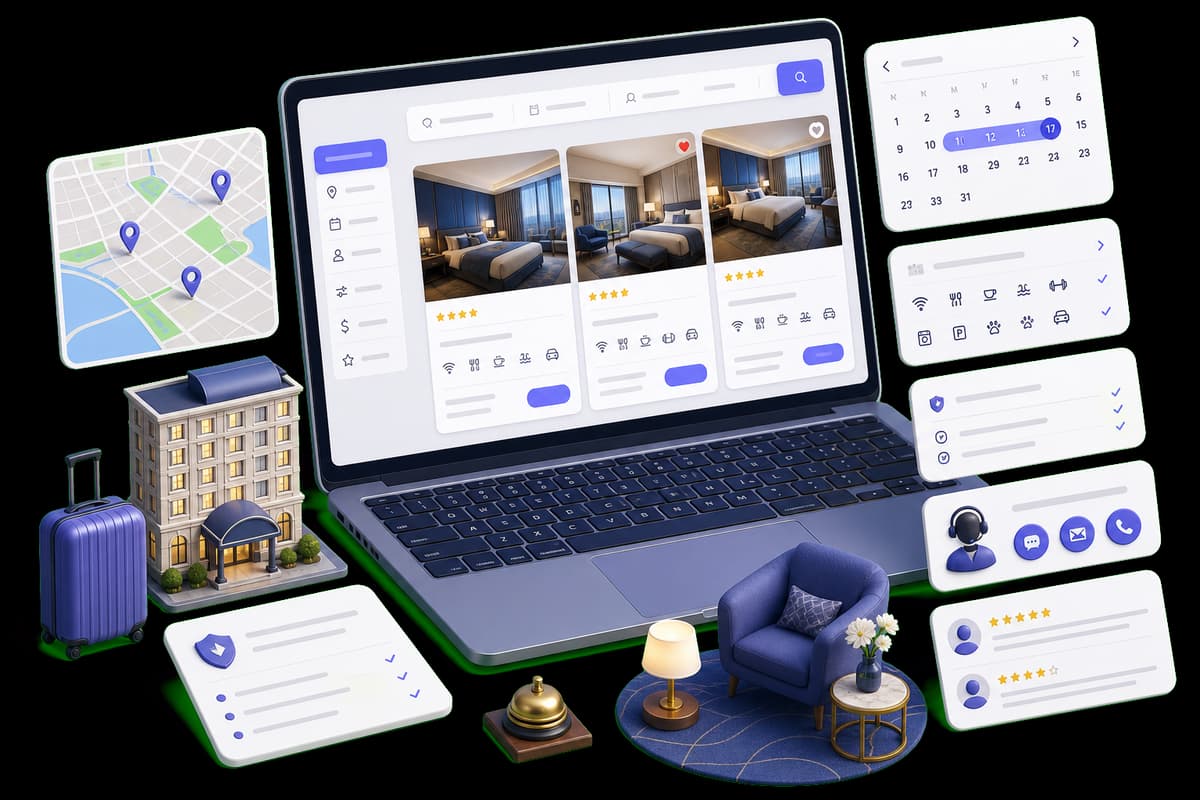
Support Guest Confidence Before Reservation
Travelers compare location, room quality, cleanliness, amenities, service, policies, and recent guest experiences across several websites. Accurate information and thoughtful review responses help them evaluate whether a property fits their needs.
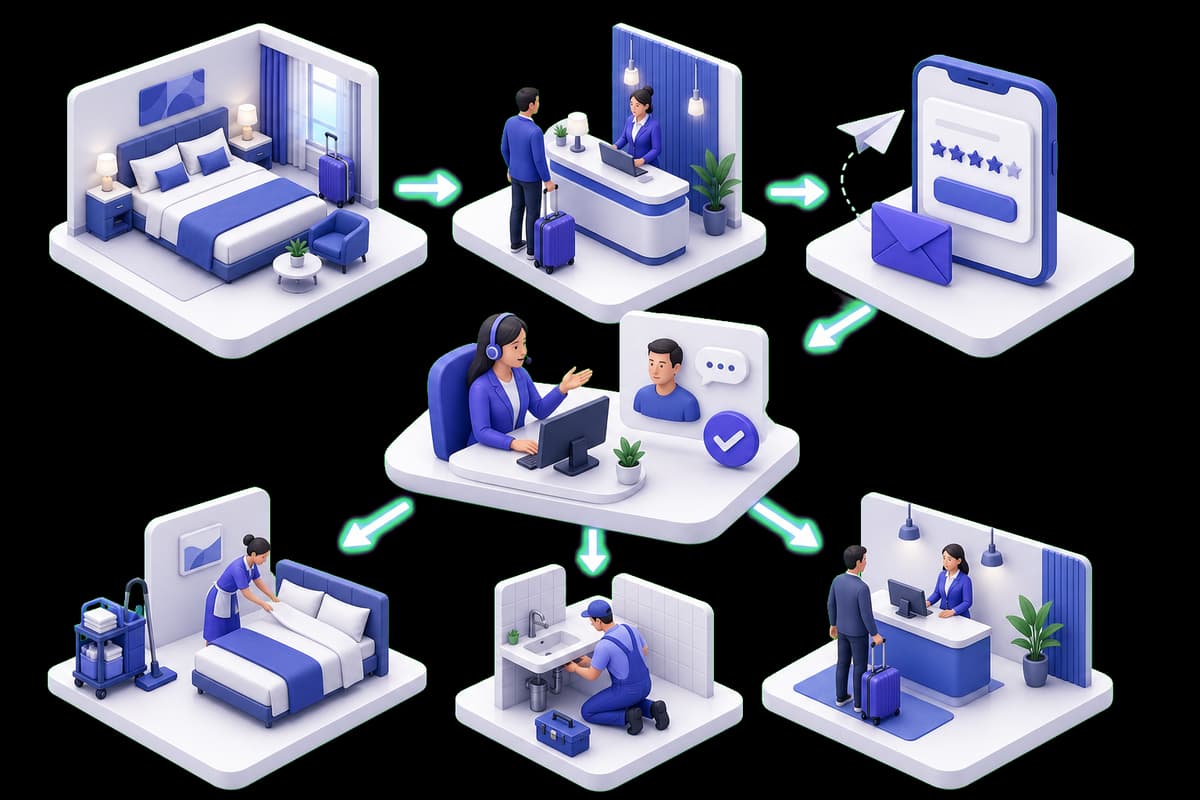
Build a Consistent Guest Review Workflow
Post-stay invitations should follow genuine stays and apply consistent eligibility rules. Hotels can use feedback trends to identify issues involving housekeeping, maintenance, check-in, amenities, noise, or staff communication.
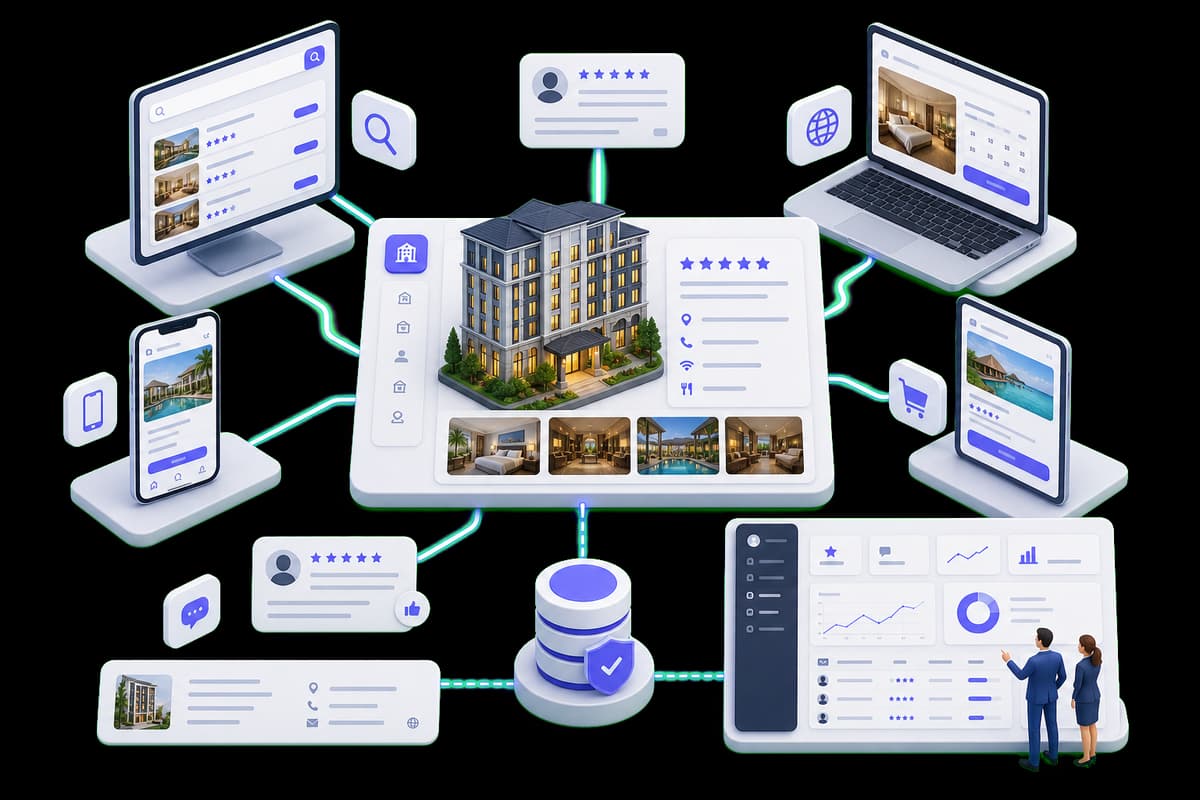
Manage Reputation Across Search and Booking Platforms
Google, Trustpilot, Tripadvisor, online travel agencies, and direct-booking channels serve different roles. Hotels should prioritize the platforms their guests use while keeping property details and response standards consistent.
Why Hotel Reviews on OTAs and Google Serve Completely Different Purposes
Most hotels treat Booking.com, Expedia, TripAdvisor, and Google reviews as interchangeable. They are not. Each platform sits at a different point in the traveler's decision journey, attracts different types of reviewers, and influences booking behaviour in distinct ways.
What OTA reviews actually do for a hotel
Reviews on online travel agencies—Booking.com, Expedia, Hotels.com—are read by travelers who are already on that platform and actively comparing properties for a specific travel date. OTA reviews directly influence the ranking and visibility of a property within the platform's search results, which in turn affects the commission-based booking volume the OTA sends the hotel. A hotel with a Booking.com score below 8.0 typically sees its visibility suppressed in search results for competitive destinations, regardless of the room rate. OTA review systems are closed: only verified guests who booked through the platform can leave a review, and the review appears only on that platform. Managing OTA reviews is primarily an operational and revenue management task—because the score directly affects distribution cost and booking volume.
What Google Reviews do that OTA reviews cannot
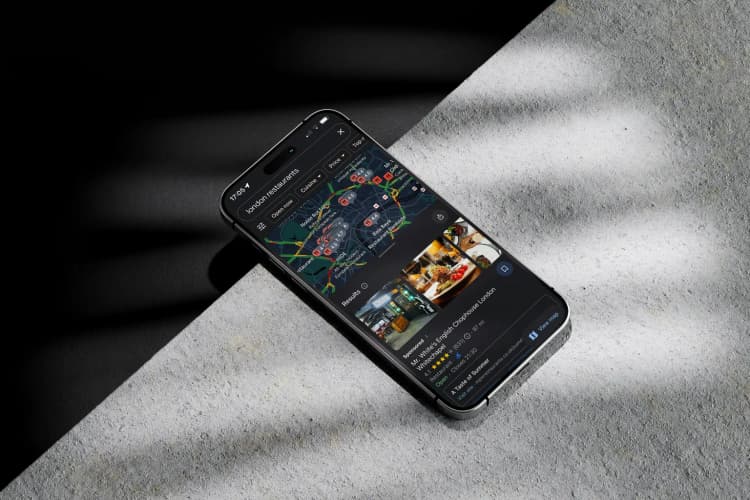
Google Reviews influence discovery—whether a traveler finds the hotel at all during early-stage research on Search and Maps. A traveler who types 'boutique hotel in Edinburgh' is not yet on a booking platform; they are building a consideration set. Google Reviews, ratings, and the local pack position determine which hotels make that first list. A property with fewer than 50 Google reviews or a sub-4.0 average may be invisible in local search even if it has strong OTA scores. Google Reviews also appear in Google Hotel Search, the Google Travel interface, and the Knowledge Panel when travelers search the hotel by name—all stages before the OTA is involved. Hotels that manage only OTA reviews are protecting the conversion stage while neglecting discovery entirely.
The 72-Hour Post-Checkout Window and Why It Determines Review Quality
The timing of a review request has a measurable effect on review rate and quality. For hotels, the post-stay window is more compressed than almost any other hospitality category—and most properties miss the optimal moment.
When guests are most likely to leave a review
Research on review behaviour consistently shows that hotel guests are most likely to leave a review within 48 to 72 hours of checkout. During this period, the stay is still fresh, the guest is typically back in their normal routine with time to reflect, and the emotional connection to the experience is still active. After 72 hours, the probability of review submission drops sharply—particularly for positive experiences. Guests who had a problem are more likely to review later, because frustration extends the motivation. This asymmetry means that hotels with poor post-stay follow-up tend to accumulate a disproportionate share of critical reviews relative to the total guest population, because dissatisfied guests self-select as reviewers while satisfied guests move on. A structured post-stay review invitation sent within 24 hours of checkout directly addresses this imbalance.
What to include in a post-stay review invitation
An effective post-stay review invitation is brief, neutral, and personalized enough to reference the stay without exposing reservation details. The most effective format: a short message from the property (not a generic brand account), sent to the email address used for the booking, with a direct link to the Google Business Profile review form. The message should thank the guest for the stay, note that the team would appreciate hearing about their experience, and make the link easy to find on mobile—because most guests check email on their phones within the first day after travel. It should not ask for a specific rating, offer a reward, or mention other recent reviews. Properties with multiple room types or experience levels (budget properties vs. luxury properties in the same group) should send from the individual property address rather than a group address, as personalisation significantly increases open and response rates.
Hotel Review Management Questions
Answers about review platforms, post-stay invitations, privacy, complaints, and multi-property reputation.
Google, Tripadvisor, online travel agencies, and sometimes Trustpilot can influence different parts of hotel research. The priority depends on the property’s market, booking channels, and guest audience.
Acknowledge the concern, avoid disputing personal details publicly, explain the appropriate contact route, and investigate booking-specific information through a private channel.
Each property should maintain accurate profiles and local accountability. A central team can define response standards, reporting, and escalation while allowing properties to address their own guest experiences.
A post-stay message is usually appropriate after checkout, once the guest has experienced the property. Invitations should be consistent and should not target only guests expected to leave positive feedback.
Avoid exposing reservation details, room numbers, dates, payment information, or other personal data. Keep the public response general and move case-specific discussion to a secure channel.
No. Reviews may support confidence, but bookings also depend on price, availability, location, amenities, photography, policies, distribution, and the quality of the actual stay.
Learn More About Reviews for Hotels and Hospitality
Guides on Google Reviews, platform comparisons, and review strategy for hotels and accommodation businesses.

Explore More Travel and Local Solutions
Discover reputation strategies for other businesses shaped by location and customer experience.
E-commerce
Build buyer confidence with a stronger public review presence for your online store.
Explore IndustrySaaS Companies
Support software evaluation and sales with credible review signals across the customer journey.
Explore IndustryDigital Agencies
Turn client feedback into visible proof of service quality, reliability, and expertise.
Explore IndustryFinancial Services
Strengthen customer confidence with transparent reputation management for financial brands.
Explore Industry
Build Guest Trust Across the Booking Journey
Explore available review services or contact our team about a single property or hotel group.